Window projection setup: Turn your window into a canvas — step-by-step to the perfect Christmas projection
Window projection setup can feel like a small home project or a big technical chore. I promise it’s closer to the fun side. Start with one clear goal: make the image bright and sharp for people outside while keeping everything safe inside. Window projection setup works best with simple choices and a bit of testing. I’ll keep the steps short and practical. You don’t need to be an installer. You’ll learn which window film to use, which projector brightness works for snowy Canadian evenings, how far to sit the projector from the glass, and how to keep cords and heat under control. Window projection setup also means planning for weather and for neighbours. Be mindful of glare, late-night brightness, and local rules. Window projection setup is easier if you do one small trial night before committing to a full display. Try one short loop of content and adjust placement. Window projection setup lets you build confidence fast. Start small and scale up. In this first section I want you to feel ready to try, not overwhelmed. Keep a notepad. Jot what you like and what you’ll change. You’ll thank yourself when you tweak distance and film and get a crisp image the next night.
Choose the right projection film and screen
Window projection setup often begins with picking the screen surface. A cheap option is frosted window film or rear-projection vinyl. Window projection setup works best if the film diffuses light evenly. Look for a matte finish that reduces hotspots. Window projection setup with a clear window and a white sheet rarely gives the same even, visible result. For single-pane windows, a thicker projection film helps hide imperfections in the glass. Window projection setup in winter needs a film that won’t peel when the heater runs. Choose a product rated for interior mounting and room temperature swings. Window projection setup also means considering opacity. Too opaque and you lose the view from inside; too transparent and the image washes out against daylight. Window projection setup gets a boost if you tape or squeegee the film to remove bubbles. Small bubbles make the picture look like it has tiny lenses. Window projection setup benefits from cutting the film slightly smaller than the glass to avoid edge lifting. Window projection setup works with static cling films for renters, or adhesive films for longer installs. Window projection setup often uses rear-projection film for the best outdoor viewing. If your window faces a busy street, choose a material that resists fingerprints and is easy to clean.
Pick the right projector and placement
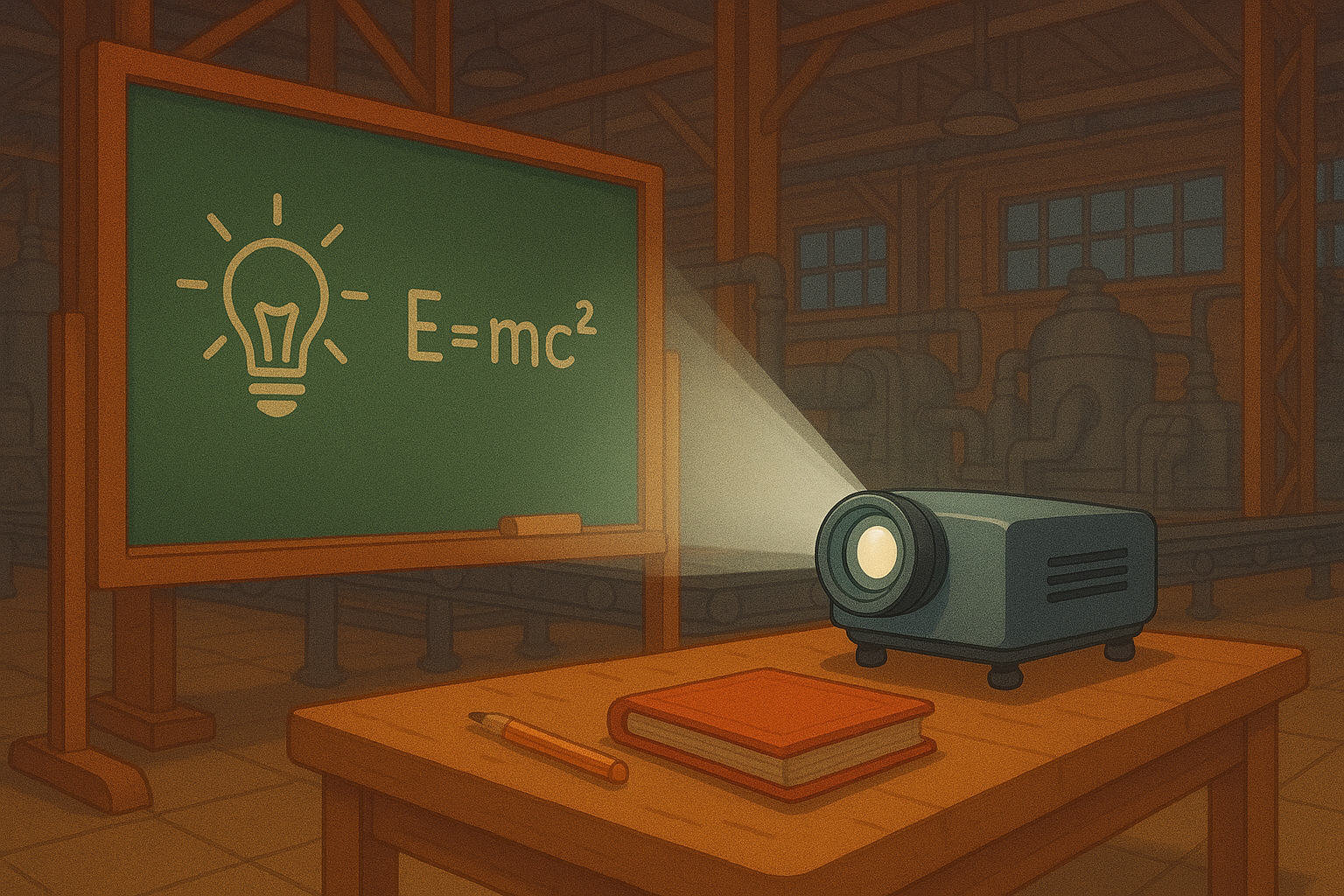
Window projection setup depends heavily on projector specs. Brightness, measured in lumens, is the big factor. Window projection setup in a town with street lights or shopfront glare needs at least 3,000 lumens for clear color and contrast. Window projection setup on darker residential streets can work well with 2,000–3,000 lumens. Window projection setup also requires checking throw ratio. Short-throw projectors let you get a big image close to the window. If you can put the projector two or three metres back, a standard throw works fine. Window projection setup with a compact projector makes installation simpler and less obtrusive. Window projection setup needs keystone correction, or better, a projector mount that allows physical alignment. Window projection setup for Christmas animations benefits from a projector with good color accuracy and a decent contrast ratio. Window projection setup under cold temperatures can reduce lamp brightness; check the manufacturer specs for operating temperature. Window projection setup is easier when you choose a model with a quiet fan. Window projection setup often uses LED projectors for lower heat and longer lifespan. Window projection setup also means thinking about lenses: zoom lenses add flexibility if you plan to move the unit slightly without changing distance.
Installation, wiring and safety tips
Window projection setup must be safe first. Keep cords tidy and out of walkways. Window projection setup indoors means running power to a nearby outlet. Use outdoor-rated extension cables only if they pass through an exterior door or near an open window. Window projection setup requires securing the projector so it won’t tip if brushed. Window projection setup around heaters needs distance — projectors produce heat and should not sit directly over vents. Window projection setup that uses temporary mounts can rely on heavy-duty camera tripods or clamp mounts rated for the projector’s weight. Window projection setup often needs a surge protector. Window projection setup also benefits from a timer or smart plug so the unit runs only during set hours. Window projection setup with cables through a window needs weatherproofing: cover gaps with foam or a strip of vinyl so cold and moisture stay out. Window projection setup also suggests managing condensation. If moisture builds on the glass at night, it can blur the image and harm electronics. Window projection setup should include a quick daily check. Make sure cords are not pinched, the projector vents are clear, and the mounting points are tight. Window projection setup for public-facing displays must consider glare into neighbours’ homes. Angle the projector or reduce brightness where it becomes intrusive. Window projection setup is safer and friendlier when you think ahead.
Brightness, visibility and troubleshooting
Window projection setup is about getting a bright, readable image from the street. Test at the exact hour you plan to run your show. Window projection setup during twilight can look different than at full night. Window projection setup means walking the route people will take and viewing from different angles. Window projection setup helps when you adjust contrast and color temperature on the projector for the best pop. Window projection setup also means keeping your content simple: high-contrast shapes, bold colors, and limited small text read best from a distance. Window projection setup sometimes runs into reflections. Try angling the projector and film to reduce glare. Window projection setup can be improved by adding a small black border to the projected image; it helps the eye pick out edges. Window projection setup may need a second pass where you tweak distance and zoom. Window projection setup is easier if you save presets on the projector or the playback device. Window projection setup for Christmas loops benefits from silent looping players or a small media player connected via HDMI. Window projection setup often trips on audio. If you want sound, keep speakers inside and low; outside audio can cause complaints. Window projection setup also faces weather risks: bring gear in during rain or wind. Window projection setup gets more reliable with a checklist — quick power check, lens clean, film clean, and confirmation of timer settings. Follow that list each night for consistent results and fewer surprises.
Popular projections