Christmas magic for kids: Why children are allowed to dream again at Christmas
Tonight, start small and notice how your child looks up. That pause, the widening eyes, the quiet smile—those are the moments we chase as parents. They come from wonder, not from perfect gifts. Light games, short tales and soft projections are tools you can use easily. They keep the moment gentle and repeatable. When you choose projection as part of the evening, you offer an experience rather than an object. That shift matters. Families in Canada are busy in December. Cold nights and tight schedules make low-effort rituals valuable. A projector that paints snowflakes on the ceiling or a warm fire on the wall invites everyone to pause and be together. It gives children a safe stage for imagination. It also helps parents slow down and share a story without pressure. Small rituals like these are how traditions grow. They do not require perfection. Try one new projection night and watch what happens.
Why imagination matters for development
Imagination is a rehearsal space for life. It lets children practice feelings, test ideas and try identities. In early years, pretend play helps language, empathy and problem solving. When kids imagine, they build neural pathways that support creativity and resilience. So when we say christmas magic for kids, we are naming more than holiday cheer. We are naming a developmental need. Simple traditions that invite imagination—like dimming lights and projecting stars—create a predictable safe place. That place helps children move between real worries and hopeful possibilities. It is also emotionally restorative. Adults might forget how powerful a story or image can be. For a child, seeing a projected sleigh glide across the ceiling becomes a shared secret. That secret is comforting. It teaches that the world holds surprises. Repeated small surprises build trust in novelty. That trust helps kids try new things later, meet new people, and face small failures. As parents, we can guide this safely. Keep scenes gentle, avoid scary imagery, and let your child lead the play. Ask two simple questions: "What do you see?" and "What happens next?" These prompts expand language and make imagination social. Over time, those conversations become family lore. They are the seeds of traditions children will carry into adulthood.
How light and projections create atmosphere
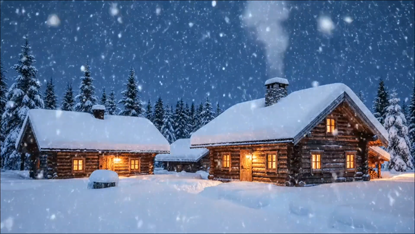
Light changes everything. A bright room tells the brain it is time for activity. A dim, warm glow signals rest and reflection. Projections add motion and narrative. A rotating starfield can suggest a sky to travel through. A slow snowfall makes time feel kinder and longer. When you intentionally adjust light, you shape mood. Use warm colors for comfort and cool blues for a sense of calm. Be mindful of brightness so the image is soft, not harsh. If you want to create christmas magic for kids, think in layers: background projection, a small string of warm lights, and a foreground prop like a stuffed reindeer. Layers invite exploration. Kids will reach into the scene, pointing and narrating. That interaction makes the experience active, not passive. Choose scenes that suggest stories: a tiny village with lit windows, silhouettes of forest animals, or gentle northern lights. Motion should be slow to avoid overstimulation. Keep sessions short at first, 10 to 15 minutes, and extend if your child stays engaged. Projections are portable. You can transform a bedroom, the hallway, or the dining room in minutes. That flexibility helps you match the ritual to your family's rhythm. On busy evenings, a five-minute projection story can be enough to reset the tone and invite a calmer bedtime routine.
Storytelling tips to deepen the moment
Stories give projections a frame. A few lines can turn a floating light into a character. Start with a single image and ask your child a question. "Who lives in that little house?" or "Where is this river going?" Simple prompts lead to richer play. You do not need an elaborate tale. Short, repeatable narratives work best. Children love predictability. When a story appears with the same projected scene, it becomes soothing. If you want to weave christmas magic for kids into your nights, create a three-step mini-story: a calm opening, a small surprise, and a cozy ending. The surprise should be gentle—a friendly snowman arriving, a lost mitten found, a tiny star that sings. Repeat phrases your child can join in with. Repetition builds mastery and joy. Use sound lightly: a soft chime or a low hum supports the picture without taking over. Invite your child to add a line. Their contributions matter more than your polished script. The goal is shared authorship. Over time, these stories become family language. The same imagery and phrases will resurface at unexpected moments, turning an ordinary errand or a cloudy afternoon into a shared memory. That continuity is part of the real christmas magic for kids: small rituals that stitch days into a thread of belonging.
Practical projection setups that work for families
You do not need a studio to get started. A compact projector, a neutral wall and a soft blanket make a tiny theater. Place the projector at a low table so kids can see the image easily. Keep cables tidy and out of reach. If space is tight, project on the ceiling. Ceiling projections are magical because they feel like the sky. If you aim to create christmas magic for kids, pick scenes that match the season and your child’s temperament. For toddlers, choose slow, high-contrast visuals and warm tones. For school-age kids, add narrative scenes or interactive shapes they can trace with their fingers. Make a projection bag: a small kit with a projector, a few slides or files, a blanket and an easy script you can read aloud. Store it by the door and pull it out when you need a quick reset. Sound can add depth. A short playlist of gentle holiday tunes or nature sounds complements visuals. Finally, think safety: use child-friendly mounts and test the projector’s heat. Keep sessions screen-light limited before bed to avoid alertness. With a few simple tools and routines, you can create a reliable and repeatable experience that feels intentional and warm.
Making memories that last
At the heart of every ritual is memory. Projects that are repeated with care become the scaffolding for family stories. When kids say, years later, "Remember when the stars danced on our ceiling?" you will have built that memory on purpose. To strengthen those moments, add small keepsakes. A handmade ticket to your "projection night," a quick sketch of the scene, or a photo of the family huddled under the lights turns an ephemeral event into something tangible. If you want to plan a big night, collaborate with your child. Let them choose a scene, a song, or a snack. That co-creation deepens ownership and joy. Be present during the ritual. Put down devices and let the moment breathe. Watch faces, listen for laughs, and follow your child’s lead. The aim is not perfection but presence. When you intentionally allow space for christmas magic for kids, you give more than a show. You give permission to imagine, to hope and to belong. Those gifts are quiet but lasting. Try one small projection ritual this week and notice what shifts in the room. Most likely, you will find a new way to slow down and connect—a tiny tradition that might live on for years.
Popular projections