Christmas projection: How projections make your holidays shine
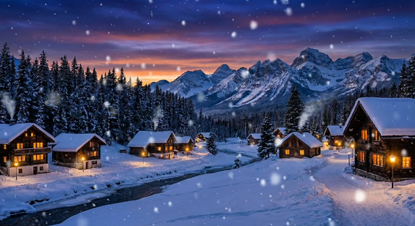
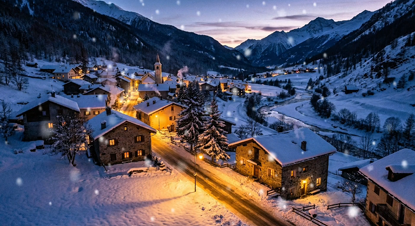
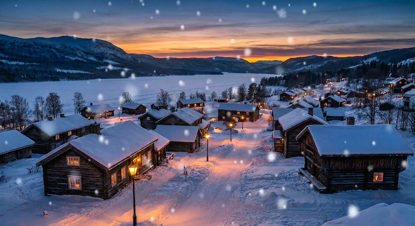
Christmas projection is a fast way to change the feel of a space. Christmas projection can turn a plain wall into falling snow, dancing candles, or a roaring fireplace backdrop. When you walk into a room lit like that, you notice how your mood shifts. The light moves, colors wash over familiar surfaces, and suddenly the scene tells a story. I want to show you how simple gear and a few creative choices give you that same feeling at home.
What a light projection actually is and how it works
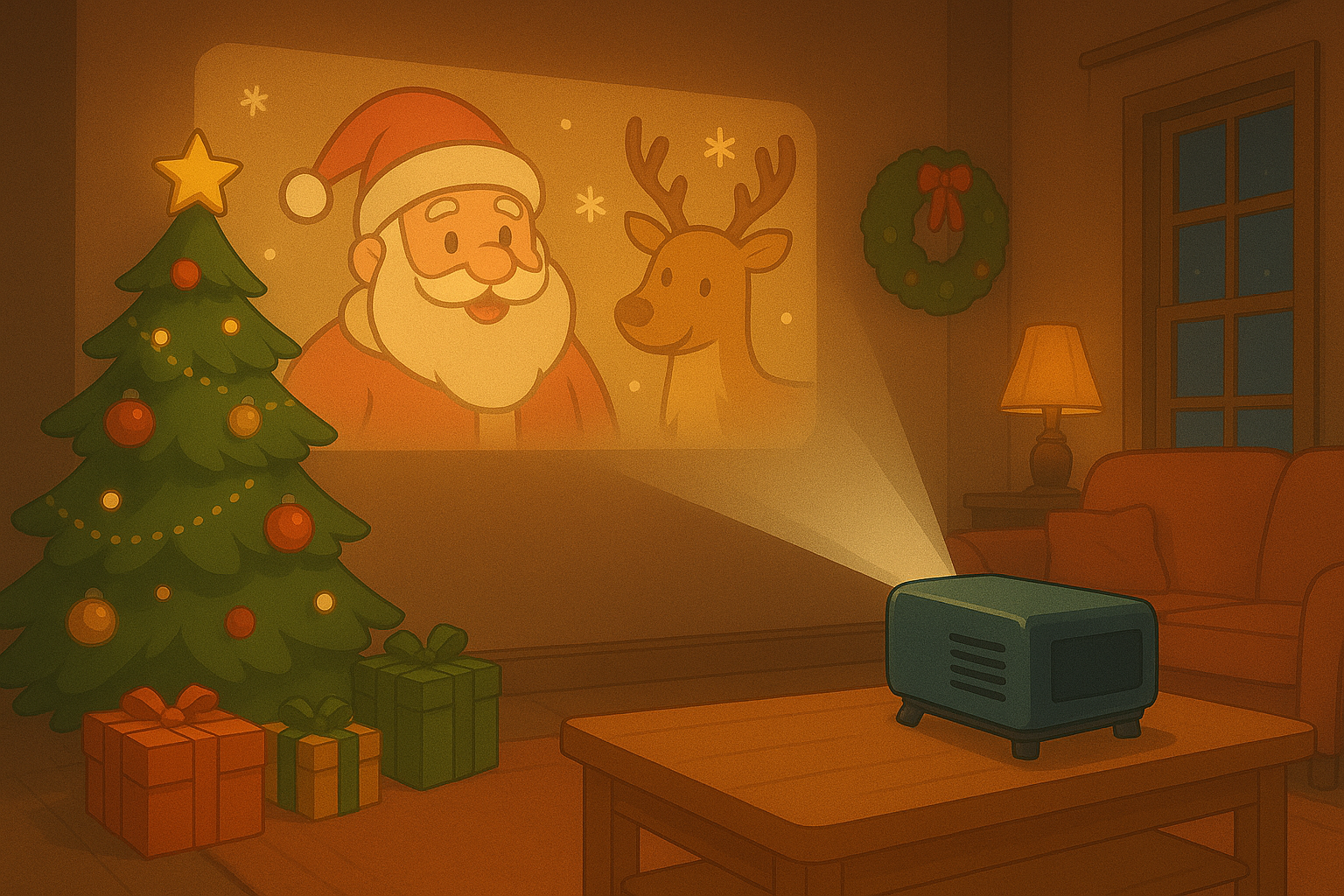
Christmas projection is basically a focused light source that throws an image onto a surface. Christmas projection uses lenses, gobos, or digital projectors to shape that light. The most basic setup is a small LED projector aimed at a wall or curtain. A pattern or animation is loaded into the projector and the light paints the image. The magic is not only in the device but in the surface and the timing. Smooth surfaces give crisp images; textured surfaces add depth and surprise. A little distance from the wall lets the image expand and fill a wider area. You can place the projector on a shelf, behind a console, or even outside aimed at a window. Many modern projectors accept video files or live patterns, so you can swap scenes in seconds. The learning curve is friendly: point, focus, test, and adjust the placement until you like the scale. Keep cables tidy and consider battery options for quick, portable setups. A basic kit, a few clips, and some creative files will take you far.
Why projections feel emotional and memorable
Christmas projection taps into simple human reactions to light and motion. Christmas projection works with our memory centers; moving light often mimics flames, snowfall, or candle glow, and that triggers comfort. Kids and adults alike respond to motion in a way that still images rarely match. The slow sweep of light, the gentle flicker, or a looping scene creates a rhythm in the room. That rhythm helps people relax, talk, and lean into the atmosphere. The same effect can heighten excitement too. A quick burst of color or a playful animation can feel like a small event inside your home. Emotional response also comes from storytelling. Christmas projection can show scenes that hint at a story: a train at night, a choir silhouette, or falling presents. Those hints invite you to imagine and connect. From a practical view, light that moves keeps attention and makes gatherings feel curated. It signals care. That little touch often becomes the memory people mention later: "Remember that night with the lights on the window?"
How to set up simple scenes in your living room or on a window
Christmas projection makes setup approachable even for first-timers. Christmas projection works great in a small living room if you pick the right scale and surface. Start by choosing one focal wall or a large window. Christmas projection placed behind curtains can create a soft, diffused glow that reads as magical from outside. If you use a projector, set it on a stable surface and test the throw distance. Move the projector back to fill the area without losing detail. For window scenes, position the image so silhouettes from outside look crisp. If you don’t want to use a projector, LED light panels with cutouts or motion-lit string lights can achieve similar moods. Layering matters: mix warm ambient light with the projection to avoid harsh contrast. Consider the viewers' line of sight—place the scene where guests naturally gather. Use lightweight mounts or adhesive hooks for temporary installs and keep power sources safe and tidy. A choreographed playlist of short loops makes the scene feel intentional and fresh during a party. Remember to test during the actual evening time when you will host; daylight can wash out effects, so check at the right brightness level.
Design tips: color, motion, and storytelling
Christmas projection benefits from a few simple design rules. Christmas projection looks strongest when colors are limited and contrast is clear. Choose two or three dominant colors and let one be a warm base—warmth reads as cozy. Motion should be subtle. Fast, random movement feels chaotic. Slow, deliberate motion reads as calming and cinematic. Think in loops: 20 to 40 seconds is enough to set a mood without becoming repetitive. Add anchors: a stationary warm light on a mantel or a wreath lit by a small lamp keeps the scene grounded. Combine projection scenes with small props that catch the light, like glass ornaments or reflective ribbons, to make the whole room glitter. For storytelling, plan a short sequence: arrival (gentle snow), gathering (warm hearth), surprise (soft fireworks or sparkles). These small beats turn a static party into a lived moment. Keep content family-friendly and respectful to neighbors if projecting outside. Test colors on the actual surface you will use—a painted wall, wooden panel, or curtains will all change the tones differently.
Practical gear, file types, and easy file sources
Christmas projection gear can be costly, but you don't need pro equipment to get stunning results. Christmas projection starts with a projector or a purpose-built projection light. For home use, compact LED projectors are quiet, bright enough for dim rooms, and easy to set up. Look for models with native resolution that matches your desired sharpness, and check throw ratio to know how large an image you'll get at a certain distance. Christmas projection files come in common video formats like MP4 or MOV, and many projectors accept USB sticks or streaming input. You can find free and paid files from creative marketplaces and dedicated holiday libraries. If you prefer DIY, you can make simple loops from phone-shot footage or animated slides. Use short, loopable clips to keep the mood changing but consistent. Keep a small folder of favorite scenes ready for quick switch-outs. For outdoor use, choose weather-protected units and aim lights away from neighbors' windows to be courteous. With a small kit, a few good files, and a plan, you’ll be ready to create memorable holiday moments you and your guests will talk about long after the lights are off.
Popular projections